You can make killer theater props with stuff you’ve probably got lying around—think old boxes, some paint, and spare fabric. I’ve been building props for school plays and local shows for years, and I’m here to share my tricks for creating stage decorations that look way better than they cost. Whether it’s a kid’s performance, a community play, or a TikTok video, these steps will help you make props that shine without breaking the bank.

Why Make Your Own Props?
Building props yourself is cheap and lets you get exactly the vibe you want. It’s perfect for school plays, backyard theater, or quick online videos. If the director changes the script at the last minute, you can tweak things fast. I checked Google Trends, and “DIY theater props” searches shot up 30% from 2023 to 2024. Everyone’s looking for easy, wallet-friendly ways to jazz up their sets.
What Should You Sort Out Before You Start?
Hold off on grabbing the glue gun and ask yourself a few things first. Here’s my checklist from years of trial and error:
- Who’s watching? Kids at a school event? Grown-ups at a community gig? TikTok followers?
- Where’s it going down? A cozy living room, a big gym, or outside in a park?
- How close are people sitting? If they’re far back, don’t sweat the small stuff—it won’t show.
- What’s the lighting deal? Soft lights cover up rough spots; bright ones show every mistake.
- Is it safe? With kids around, props need to be sturdy and not pointy.
I learned this the hard way when a cardboard tower I built for a kids’ play fell over mid-rehearsal—total embarrassment. Now, I always use flame-retardant fabric (about $4 a yard at craft stores) and test everything beforehand. Make sure props are light enough to move fast during scene changes, too.
What Supplies Do You Need?
You don’t need a toolbox or a big budget. Here’s what I use for most props:
- Cardboard: Old delivery boxes or appliance cartons are gold.
- Foam board: Or even pizza boxes for smaller bits.
- Paper tubes: Like the ones from wrapping paper or shipping packages.
- Fabric scraps: Old sheets, curtains, or even a ripped T-shirt.
- Tools: Hot glue gun, acrylic paint, scissors, craft knife, duct tape.
I’m all about free stuff. I once turned a neighbor’s old moving boxes into a full castle backdrop for zero bucks. A hot glue gun runs about $7 at a discount store, and acrylic paint is like $1.25 a bottle. Check your recycling bin or thrift shops to keep costs down.
How Do You Make Props That Look Legit?

Here are four props I’ve made that always get gasps from the audience but are dead simple:
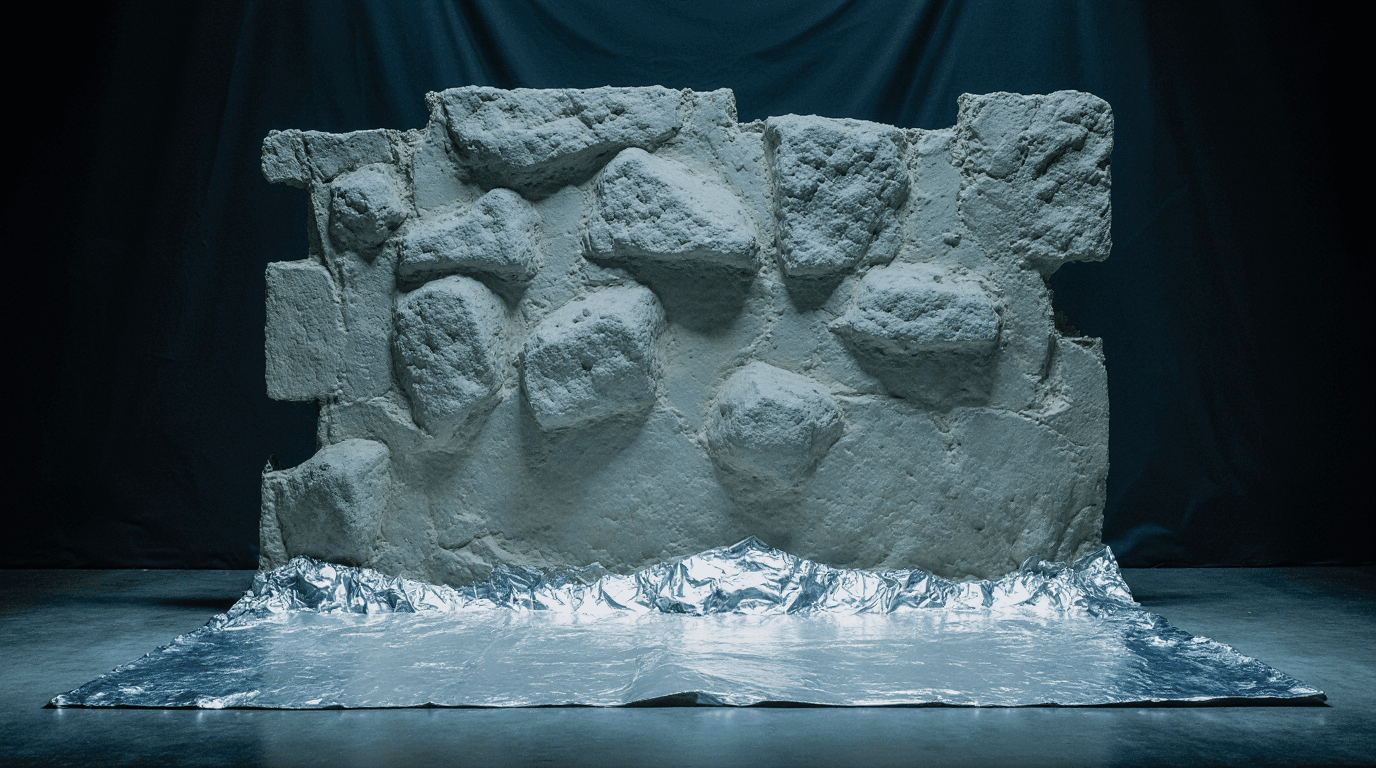
1. Stone Walls
- What you need: Cardboard, aluminum foil, gray paint, a sponge.
- How to do it: Cut cardboard into big wall shapes. Crumple foil and stick it on for a rocky texture. Slap on gray paint, then sponge on darker gray for depth.
- My hack: Use matte paint only. I tried glossy once, and the stage lights made it look like a shiny trash bag.
2. Wooden Columns
- What you need: Cardboard tubes or 1-inch PVC pipes, brown craft paper, paint.
- How to do it: Roll cardboard into tubes or grab PVC pipes (about $1.50 per foot). Wrap with brown paper. Drag a fork across it to fake wood grain. Add light paint streaks for a weathered look.
- My hack: Cardboard’s fine for short columns, but PVC is better for anything taller than a kid.
3. Fireplaces
- What you need: Cardboard boxes, paint, paper scraps.
- How to do it: Stack boxes and tape them tight. Paint a brick pattern. Glue on paper cutouts for stuff like logs or a clock.
- My hack: Toss in some $3 LED tea lights for a cozy fire glow that’s safe for kids.
4. Backdrop Scenes
- What you need: Old sheets, paint, cardboard or $1 dowels for a frame.
- How to do it: Paint a scene like a forest or a room on the sheet. Tape it to a frame for support.
- My hack: Paint both sides of the sheet for two scenes in one. I’ve reused the same sheet for three shows this way.
These props cost me under $7 each and take a couple of hours, tops, if you’re using stuff you already have.
How Do You Make Props Look Like They’re From a Fancy Theater?
I’ve picked up some slick moves from helping out at local theaters:
- Layer your stuff: Put some props up front, others farther back to make the stage feel huge.
- Use cheap lights: A $10 LED spotlight can make a cardboard prop look epic or hide little oopsies.
- Play with size: Make background props bigger to grab attention, even on a tiny stage.
- Add texture: Glue on bits of paper or fabric to make flat surfaces pop.
I made a giant cardboard sun for a play once, and it tricked everyone into thinking the stage was massive. It’s a theater trick called “forced perspective”—cheap but looks like a million bucks.
What Mistakes Should You Dodge?
I’ve botched plenty of props, so here’s what I’ve learned to avoid:
- Overloading with details: Too many doodads make props look messy from a distance.
- Shiny materials: Glossy paint or tape catches light and screams “amateur.”
- Wobbly builds: Props that tip over mid-show are a nightmare.
- Overcomplicating things: Big, fancy ideas sound cool but eat up your time.
My fix? Keep it simple and test props at home first. I always bring extra duct tape to shows—it’s like a magic wand for last-second fixes.
Where Can You Find Ideas or Tutorials?
I love scrolling for inspiration. Try searching these on YouTube or Pinterest:
- “Easy props for school plays”
- “Cardboard stage ideas”
- “Cheap theater set hacks”
Places I dig into:
- YouTube: “Make It and Fake It” has videos on building props from junk you’ve got at home.
- Reddit: r/DIY and r/TheatreTech have folks like me sharing what works.
- Pinterest: Look up “DIY stage crafts” for pictures you can copy fast.
I took a $10 Skillshare class on painting sets once, and it showed me how to make clouds look real with just a sponge and some paint.

How Do You Keep Props Safe for Everyone?
Safety’s non-negotiable, especially with kids running around. I use flame-retardant fabric (around $4 a yard) for anything near lights. For big props like walls, I add a base or sandbags ($2 for a 10-pound bag) to keep them steady. Smooth sharp edges with sandpaper or tape. I always set up the whole stage at home a few days before to catch any problems.
Can You Store or Reuse Props?
Most of my props fold flat or come apart easy. Cardboard stuff collapses, and fabric backdrops roll up small. I scribble labels on everything to keep track for next time. You can repaint a backdrop’s back for a new scene. I’ve used one sheet for a castle, a forest, and a city skyline just by flipping it over and repainting.
Start with something small, like a cardboard shield or a painted sheet. It’s way easier than you think, and seeing it on stage is such a rush. My first prop was a wobbly table for a school play, but the kids’ smiles made it worth it. You’ll mess up sometimes, but each prop teaches you something new, and pretty soon you’ll be churning out sets like a pro.